
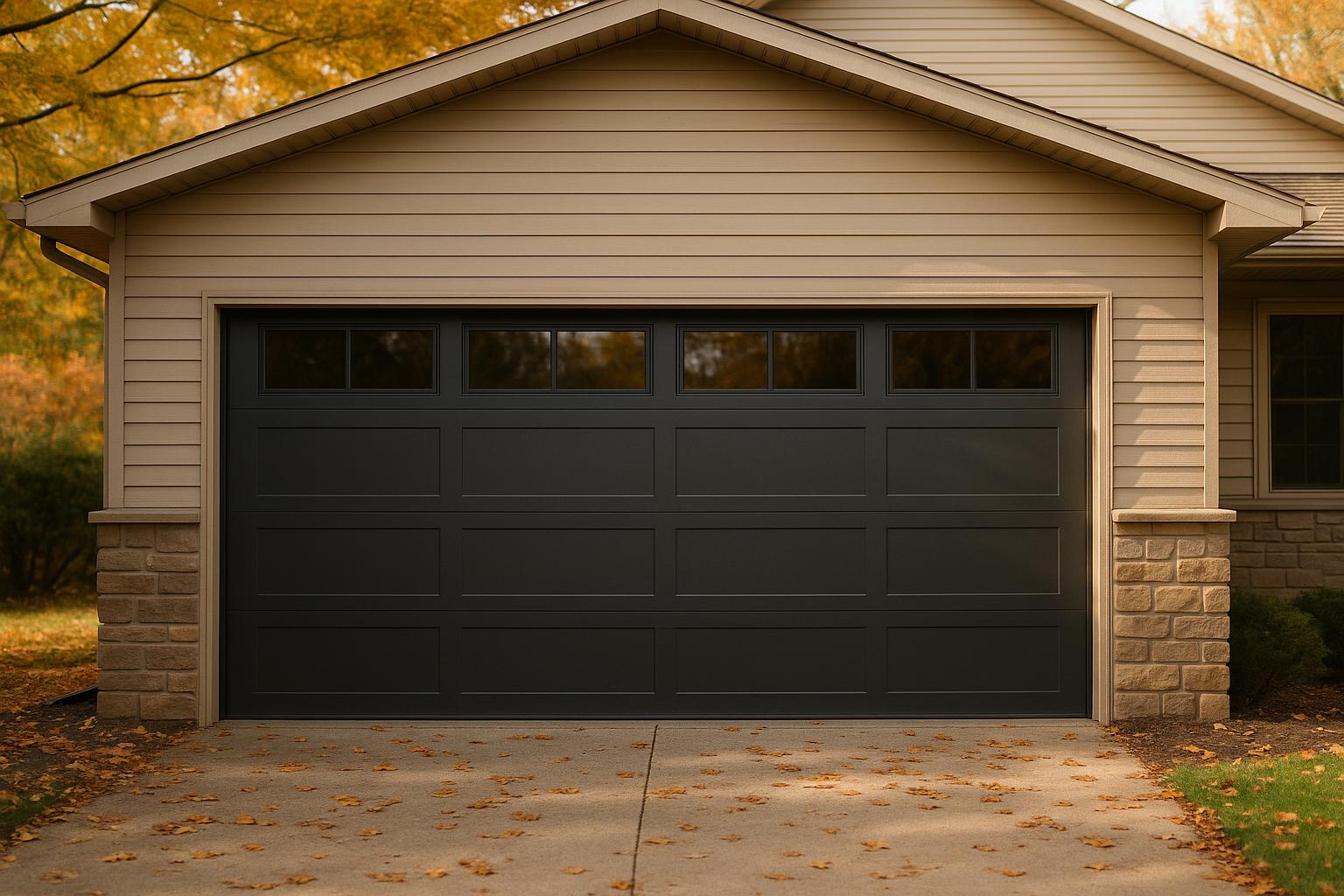
When Repairs Stop Making Sense
Your garage door is one of the hardest-working parts of your home. It goes up and down over a thousand times a year, endures Ohio's freeze-thaw cycles, and takes the brunt of wind, rain, and sun exposure. So it's no surprise that at some point, repairs alone won't cut it anymore.
Many homeowners in Westerville find themselves in a frustrating cycle — fixing one thing only to have something else break a few months later. If that sounds familiar, it might be time to consider whether a full garage door replacement makes more sense than another repair bill.
Here are the clearest signs that your garage door has reached the end of its useful life and what to think about when choosing a replacement.
1. You're Calling for Repairs More Than Once a Year
An occasional repair is normal. Springs wear out, openers need attention, and hardware loosens over time. But if you're scheduling service calls multiple times a year, those costs add up fast.
Think of it like an old car — at some point, the cumulative cost of repairs exceeds the value of the door itself. If you've spent several hundred dollars on fixes in the last year or two and problems keep coming back, a new garage door will likely save you money in the long run while giving you better performance and reliability.
2. The Door Is Visibly Damaged or Warped
Dents, cracks, and rust aren't just cosmetic issues. A garage door with significant panel damage can compromise the structural integrity of the entire system. Warped panels may prevent the door from sealing properly, letting in cold air, moisture, and even pests.
Steel doors can rust through over time, especially along the bottom edge where they contact water and road salt — something we see frequently in Westerville and surrounding areas like Worthington and Gahanna after harsh winters. Wooden doors can rot, split, or delaminate. Once the damage is widespread, replacing individual panels often isn't practical or cost-effective.
3. Your Energy Bills Are Higher Than They Should Be
If your garage is attached to your home, a poorly insulated or deteriorating garage door can have a real impact on your heating and cooling costs. Older doors, especially those without insulation, allow massive amounts of heat transfer.
Modern garage doors come with polyurethane or polystyrene insulation and tighter weathersealing. Upgrading to an insulated door can make your garage noticeably more comfortable and reduce the strain on your HVAC system — particularly during central Ohio's cold winters and humid summers.
4. The Door Looks Outdated
Your garage door makes up roughly 30% of your home's front-facing exterior. An outdated or mismatched door can drag down your entire curb appeal, while a new one can transform the look of your home.
This matters whether you're planning to sell or simply want your home to look its best. According to the Remodeling magazine Cost vs. Value report, a garage door replacement consistently ranks among the top home improvement projects for return on investment — often recouping over 90% of the cost at resale.
If you're in a neighborhood in Westerville or the Polaris area where homes are being updated around you, a new garage door is one of the most impactful and affordable upgrades you can make.
5. The Door Is Excessively Noisy
All garage doors make some noise, but grinding, scraping, banging, or excessive rattling are signs of serious wear. These sounds can indicate worn-out rollers, failing bearings, bent tracks, or an opener that's struggling to move a heavy, unbalanced door.
While individual components can be replaced, persistent noise across the system usually means the door and its hardware have aged out together. A new door with modern nylon rollers, better-balanced springs, and a belt-drive opener can operate so quietly you'll barely know it's moving.
6. The Door Won't Stay Balanced
A properly balanced garage door should stay in place when you lift it manually to about waist height and let go. If it slides down or shoots up, the spring system is out of balance.
Springs can be adjusted and replaced, but if your door repeatedly falls out of balance, it could indicate that the door itself has warped or that the weight distribution has changed due to structural damage. An unbalanced door also puts extra strain on your opener, shortening its lifespan.
7. Safety Features Are Missing or Outdated
Garage doors manufactured before 1993 may lack the auto-reverse safety features that are now required by federal law. If your door doesn't have photoelectric sensors near the bottom of the tracks or doesn't reverse when it contacts an object, it poses a serious safety risk — especially for children and pets.
While sensors can sometimes be added to older systems, a door that's old enough to lack these features is likely old enough to need replacement for other reasons as well.
What to Consider When Choosing a New Garage Door
If you've decided it's time for a replacement, here are the key factors to think about:
- Material: Steel is the most popular choice for its durability and low maintenance. Wood offers a classic look but requires more upkeep. Aluminum is lightweight and rust-resistant. Composite and fiberglass options are also available.
- Insulation: Look for an R-value that matches your needs. Higher R-values mean better insulation — important for attached garages and anyone using their garage as a workshop or living space.
- Style: From traditional raised-panel designs to modern flush panels and carriage-house styles, today's garage doors come in a wide range of looks. Choose something that complements your home's architecture.
- Windows: Adding windows lets in natural light and enhances curb appeal. Frosted or obscured glass options provide light while maintaining privacy.
- Opener compatibility: If you're replacing the door, it's often a good time to upgrade your opener as well. Newer models are quieter, more secure, and offer smart home connectivity.
Professional Installation Matters
A garage door is a complex, heavy system under high tension. Improper installation can lead to premature wear, safety hazards, and voided manufacturer warranties. This is not a DIY project.
Working with a local company that knows the specific needs of homes in the Westerville, Columbus, and Delaware areas means you'll get the right door for your climate, your home style, and your budget — installed correctly the first time.
Ready to Explore Your Options?
If your garage door is showing multiple signs from this list, it's worth having a professional take a look and give you an honest assessment. Sometimes a repair is all you need. Other times, replacement is the smarter investment.
At Westerville Garage Door Works, we help homeowners make that decision every day. We'll inspect your current door, talk through your options, and provide a straightforward quote — no pressure, no gimmicks. Give us a call or reach out online to schedule your free consultation.